Selected Works

London Fine Art · Est. Studio Practice
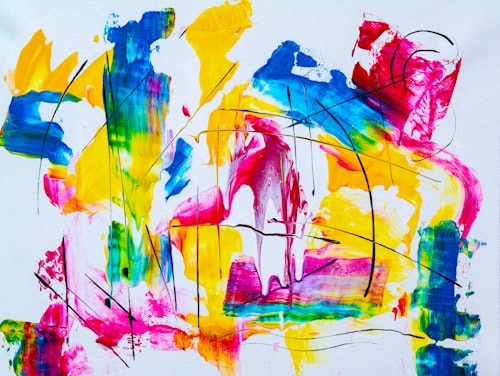
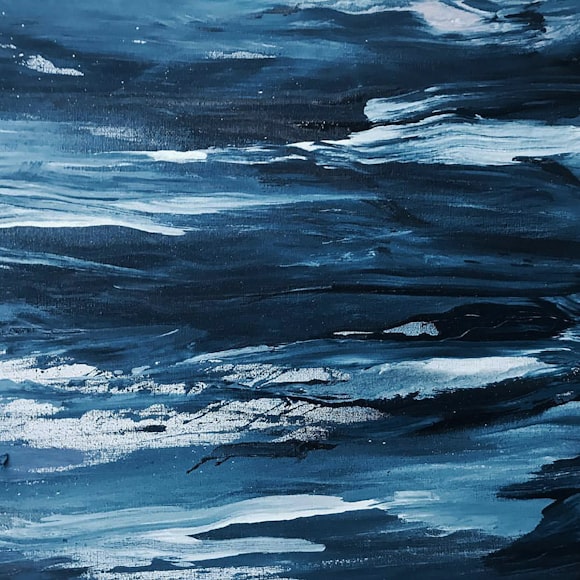
Large-scale abstract works in linseed oil, raw earth pigments and ancient earthen materials. Built in layers across months. Each painting a geological event on linen canvas.
"I build paintings the way the earth builds mountains — through accumulated pressure, slow time, and material memory."
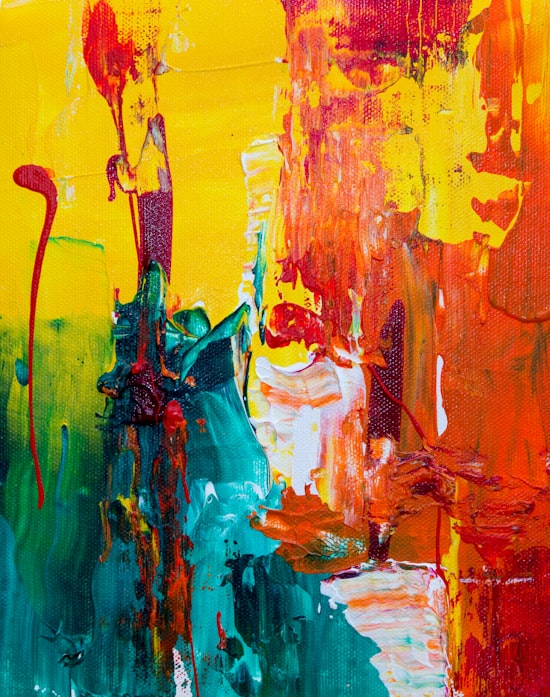
Each work begins with raw linen canvas stretched over thick stretcher bars. Oil and earth pigments are applied, left to cure, then built upon again — a process spanning months, sometimes years. The final surface stands centimetres proud of the canvas: a topographic landscape in miniature, monumental in presence.
Sarah Smith's paintings occupy space as much as they occupy walls. They are objects of rare material intelligence and primal beauty.
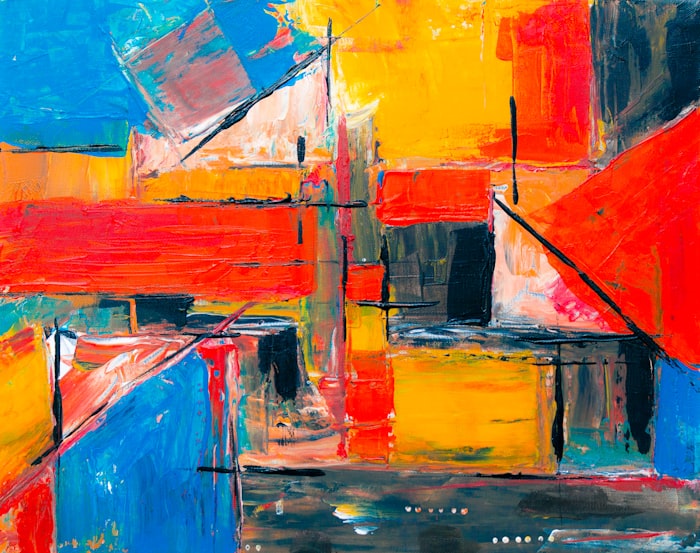
Each Sarah Smith painting is an unrepeatable original. Works are acquired by private collectors and institutions across London, Europe and the United States. Provenance documentation and certificates of authenticity accompany every sale. Available for exhibition loan.
The Artist
A painter working at the intersection of geology, memory and the material life of pigment. Her studio is her laboratory — a place where time, pressure and earth are the primary collaborators.
Her large-scale works are among the most materially ambitious being made in London today.

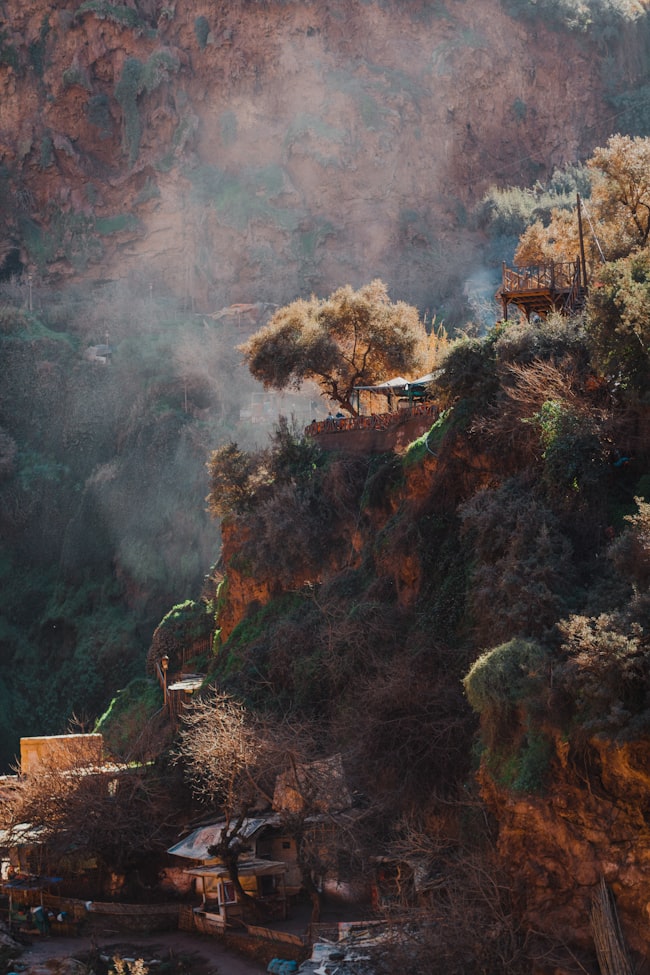
Sarah Smith studied at the Slade School of Fine Art before a formative residency in the ochre landscapes of Morocco, where her encounter with raw earth materials and the geological formations of the Atlas Mountains recalibrated her understanding of what painting could be.
Upon returning to London, she began working at a dramatically larger scale — stretching linen canvases to architectural proportions and developing the material language for which she has become known: thick impasto built from linseed oil, raw earth pigments, mineral powders, bone char and ancient ochres sourced from across Europe and North Africa.
The term "topographic scar paintings" emerged organically from critical writing around her first major London solo exhibition. The works carry the visual grammar of geological survey maps: ridge lines, striation, sudden elevation, slow erosion. But they resist pure abstraction — each canvas feels inhabited, as if recording something that happened there.
Smith works without assistants. The physical labour of building her paintings — the lifting, pressing, scraping and re-layering over months — is inseparable from the finished object. Time is her most important medium. Her paintings cannot be hurried.
She is represented by appointment only. Works are in private collections in London, New York, Paris and Zürich.
The Materials
Sarah Smith works exclusively with materials of geological and historical provenance. Every pigment is raw and unprocessed where possible — sourced from deposits in Morocco, Spain, France and the English countryside. Linseed oil is cold-pressed and aged before application.
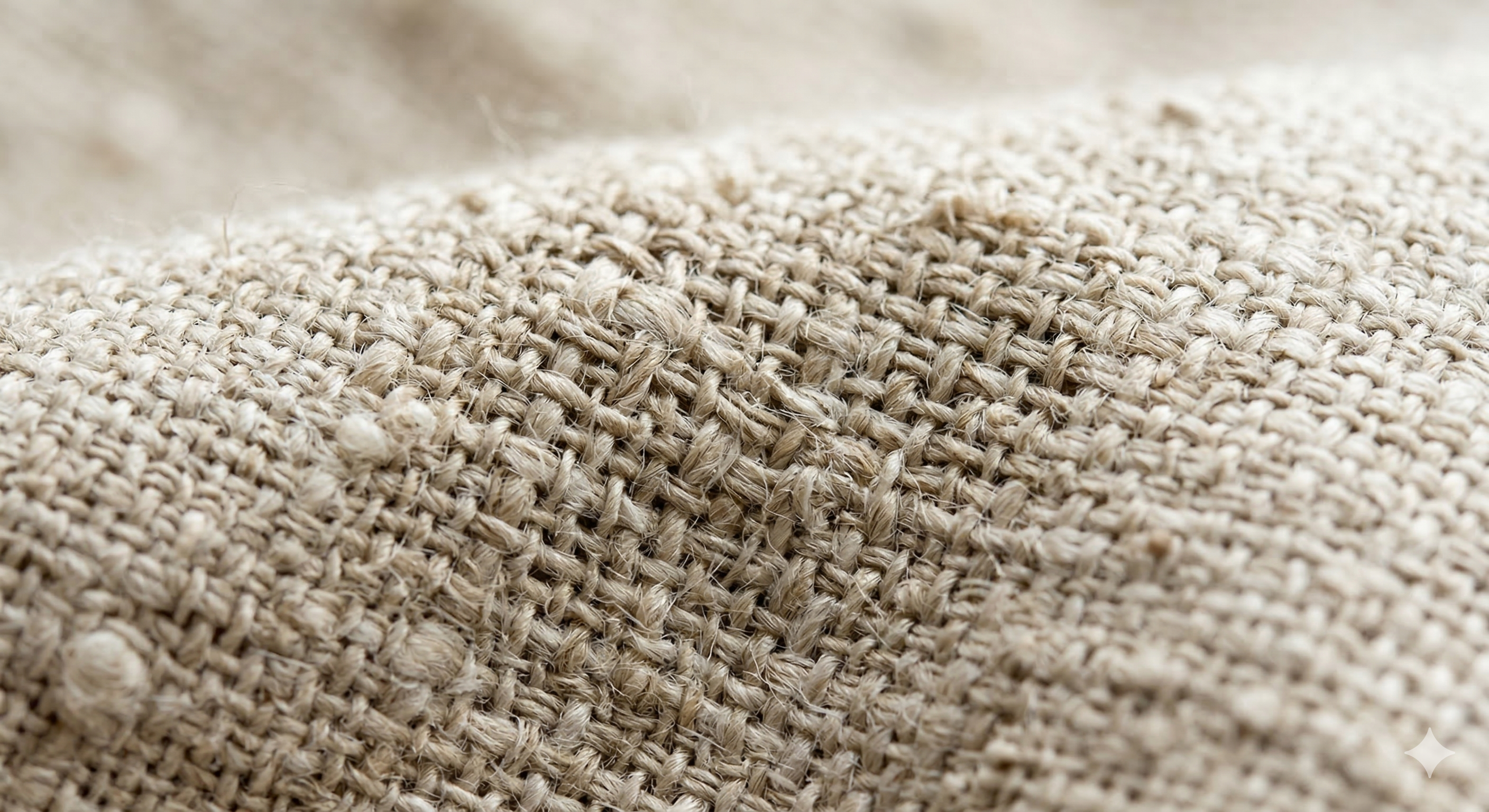
The canvas is Belgian linen of the heaviest grade, hand-stretched and sized with rabbit-skin glue. The finished paintings weigh considerably more than conventional works at comparable scale — a necessary quality of their ambition.
These are not simply paintings. They are objects with geological mass, made by a process closer to geology than conventional studio practice.
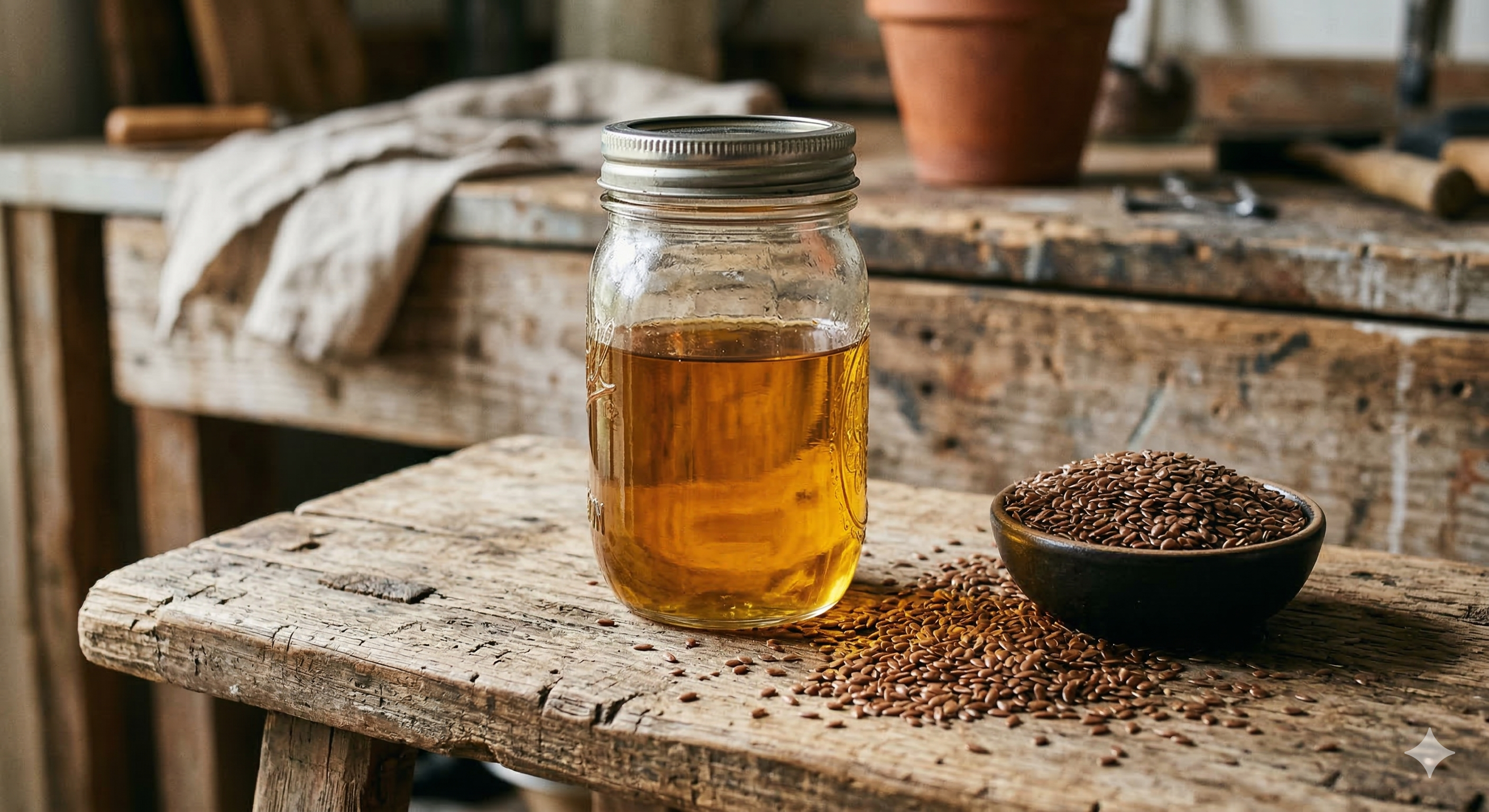
The binder and primary carrier of all pigment in Sarah Smith's work. Linseed oil is pressed cold from flax seed and aged for a minimum of twelve months before use. It oxidises slowly, building internal structural integrity over years. The paintings continue to harden long after leaving the studio.
Source: England & Belgium
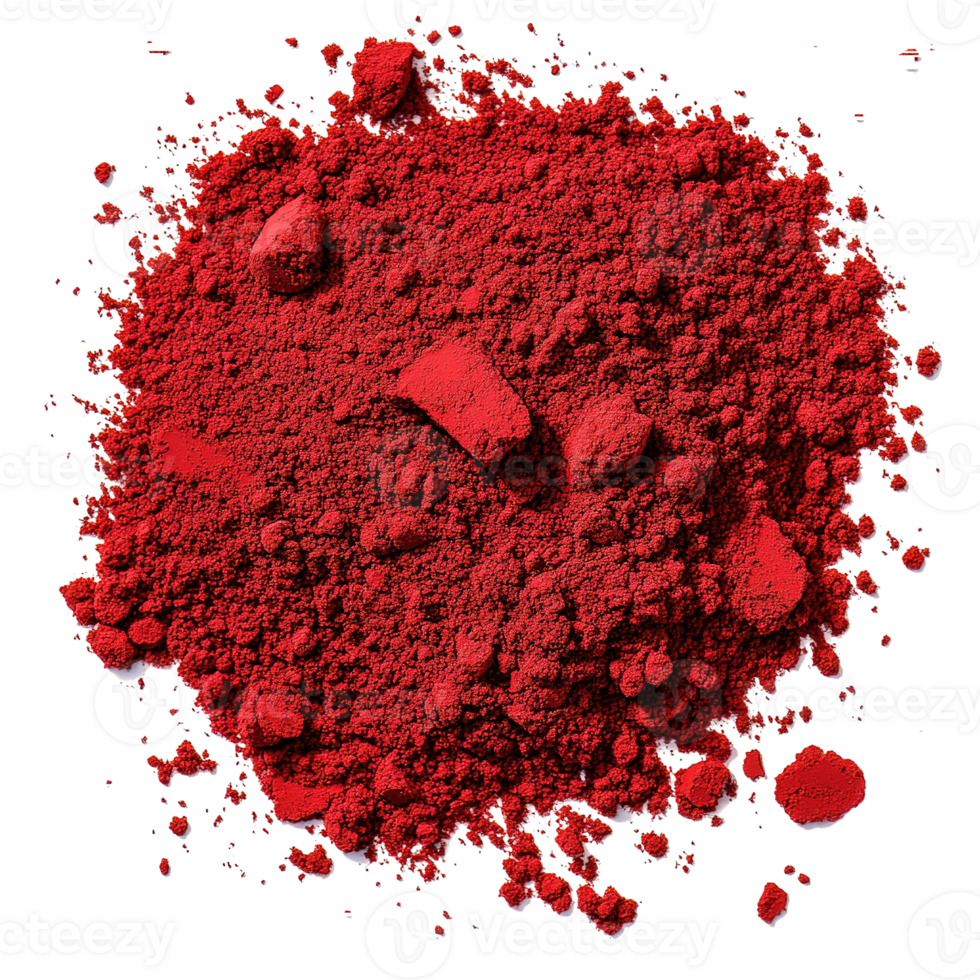
Iron-oxide rich earth pigments in the ochre family — from pale golden yellow through deep burnt sienna. These are geological pigments used by painters since prehistoric times. Smith sources them as raw earth from their country of origin, grinding them in the studio.
Source: Morocco, Roussillon (France)
The heaviest grade of Belgian linen, woven to withstand the structural weight of multiple inches of oil and mineral material. Each canvas is hand-stretched over deep stretcher bars and sized with traditional rabbit-skin glue before any pigment is applied.
Source: Ghent, Belgium
Manganese dioxide rich earth pigments from the umber family provide Smith's deepest, darkest tones — geological in their ancientness. Raw sienna, calcined to produce burnt sienna, offers warm translucent middle tones. Both are used raw and unprocessed.
Source: Cyprus, Tuscany
Kaolin, fuller's earth, red iron clay and mineral powders from geological deposits are added to the oil matrix to alter texture, opacity and the physical behaviour of the paint film. They also extend drying time, allowing deeper structural layers to be built without cracking.
Source: England, Atlas Mountains
The deepest blacks in Smith's work come from bone char — calcined animal bone — and natural carbon black. These are among the oldest pigments known to painting. Their use here connects contemporary studio practice to the deep history of image-making and material transformation.
Source: European supply chain
Linen is stretched, sized with rabbit-skin glue and left to cure for weeks. This creates the structural foundation for everything that follows.
Earth pigments ground with linseed oil are applied in multiple passes over months. Each layer must fully cure before the next is added — preventing future cracking.
The topographic surface is built using palette knives, found objects and hands. The physical relief — up to multiple inches thick — accumulates through repeated intervention.
The final painting is left to cure in the studio — often for a full year — before it leaves. Only then is provenance documentation prepared and the work released for sale or exhibition.
Enquire
All enquiries regarding private acquisition, exhibition loan, institutional purchase or studio visits are handled personally by Sarah Smith. There are no intermediaries.
Response within 48 hours. Studio viewings available in London by appointment.